Education is not only about textbooks and examinations. A good education system is one that prepares students for real life. It builds knowledge, confidence, skill, character, and direction. No single step achieves this alone. A good system works on many fronts at once: practice, teaching, technology, assessment, character, activities, skills, and parental support. Together, they do more than help students pass examinations: they grow capable, responsible young people.
Hands-On Practice
Students learn best when they do things themselves. Reading about a concept is only the first step; real understanding comes from trying it and seeing the result. A student learning computer skills cannot become capable by only reading about software. They must open the program, try its tools, make mistakes, and complete real tasks. The same is true in science, mathematics, and languages: practice turns information into ability.
Good Faculty
No system can be better than its teachers. A good system depends on faculty who know their subjects deeply and genuinely care about students’ progress. A good teacher explains difficult ideas simply, answers patiently, and notices struggling students. A good teacher also mentors students toward the right study habits and attitude. This mentorship matters as much as the lesson itself, especially for young students still learning how to learn. Good schools also keep training their teachers, so teaching stays fresh and effective.
New Technology and Blended Learning
Technology has changed how students learn, and a good system uses it wisely: not to replace the teacher, but to support them and give students more ways to learn. One of the most useful approaches today is blended learning: classroom teaching combined with digital resources. A student learns a topic in class and can then revise it through digital material at their own pace. One who misses a point in class gets another chance, and one who wants to go deeper can explore further. Digital resources also make learning more visual and help teachers track progress.
Regular Tests and Honest Feedback
A good system does not wait for the final examination to find out how a student is doing; it tests regularly and gives honest feedback. Monthly tests, quizzes, and revision sessions show students exactly where they stand and what still needs work. Regular assessment also removes fear: students face small tests often instead of one frightening examination at the end. It also helps teachers adjust their teaching when they see where the class is struggling.
Character, Discipline, and Leadership
Marks alone do not make a good student. Character building is one of the most important steps in education: discipline, honesty, respect, and responsibility toward society are taught through daily habits, not lectures alone. Small responsibilities, such as class duties and leadership roles, teach ownership and service. A disciplined, respectful environment keeps students focused, because learning thrives on order and fairness.
Sports and Activities Beyond the Classroom
A good system also looks after body and spirit, not only mind: sports and co-curricular activities teach teamwork, resilience, and leadership in ways no classroom lesson can. Team play teaches cooperation, handling defeat, and persistence. Fun days, matches, debates, and cultural activities build confidence, friendships, and enjoyable school life. These activities are not a distraction from studies; they are part of a complete education, often revealing talents examinations never show.
Skills and Guidance for the Future
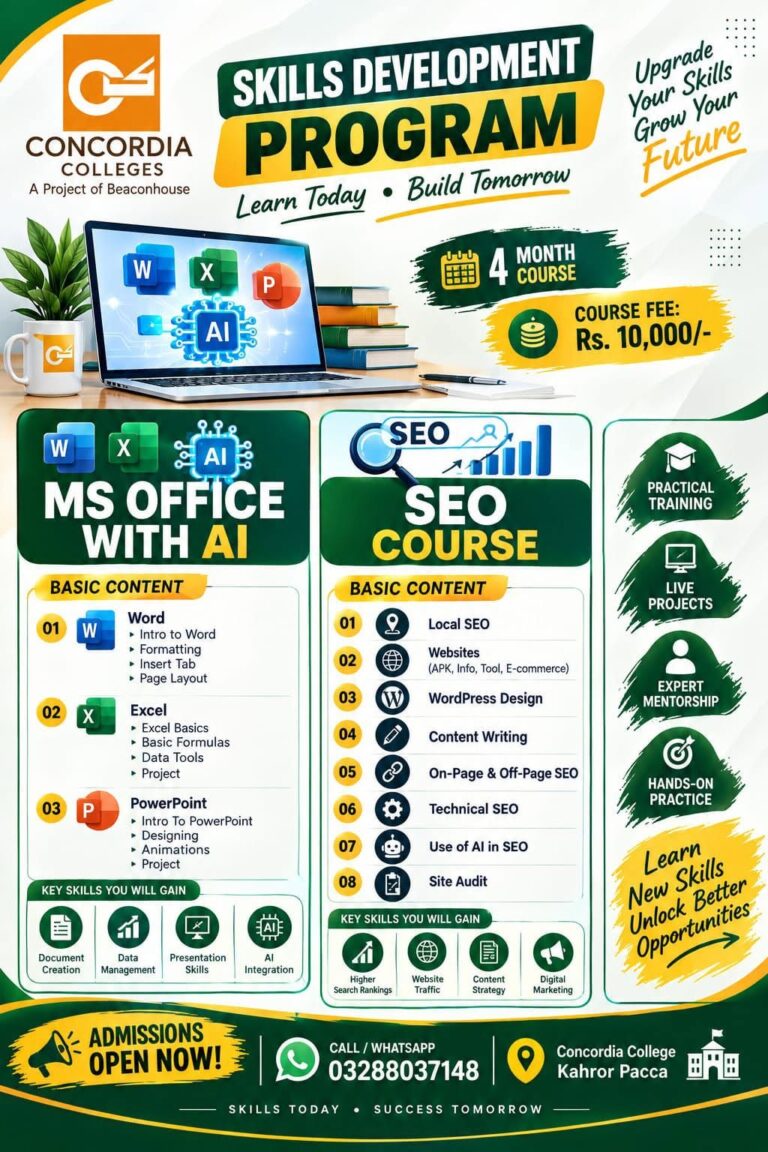
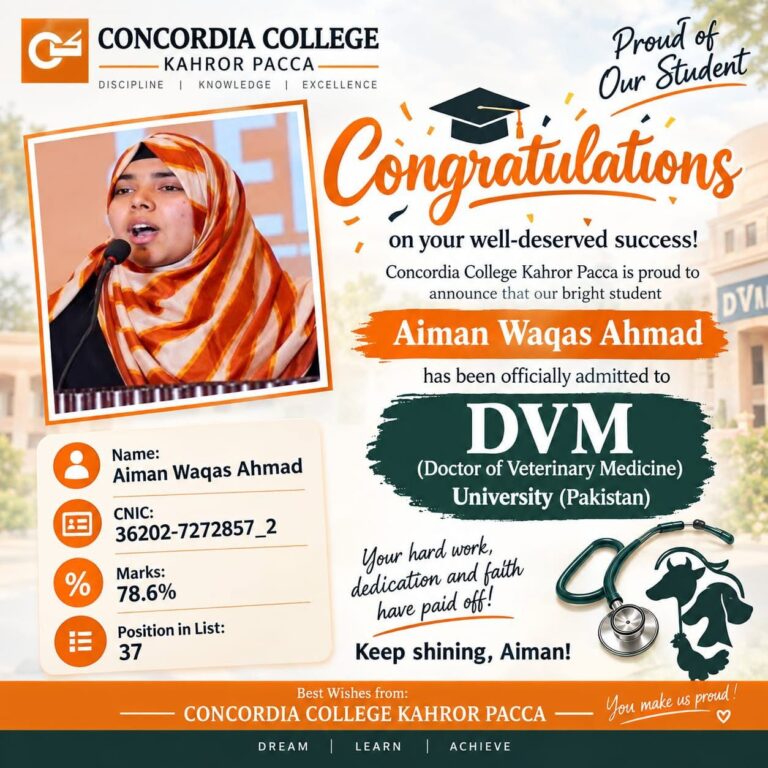
Education must also prepare students for life after school with practical, job-ready skills alongside academics, so they leave with abilities they can actually use. Skills such as computer applications and digital tools give students a real advantage. Just as important is guidance: helping students understand their options, choose the right field, and prepare for entry tests and further education, so they study with purpose instead of confusion.
Parents as Partners, and a Safe Environment
Finally, a good system treats parents as partners. When parents are kept informed about progress, they can support learning at home and work with teachers. A safe, caring environment completes the picture, because students learn best feeling secure and respected.
All of These Steps Together
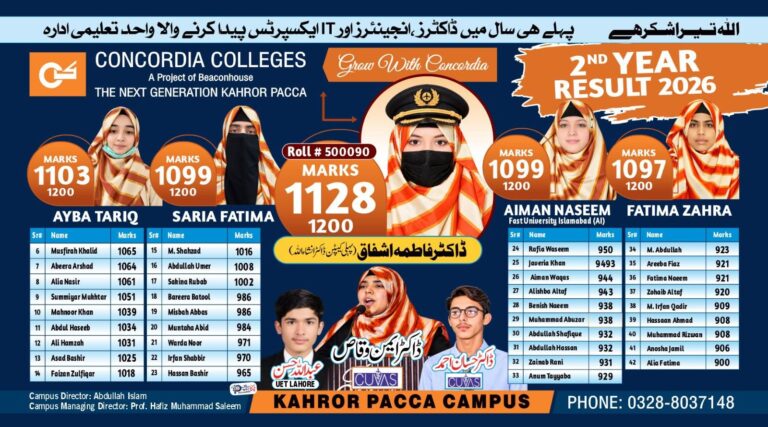
Hands-on practice, good faculty, and new technology are essential, but only the beginning. Regular feedback, character building, sports, practical skills, career guidance, and a partnership with parents are what turn a good institution into a great one. This is the standard The Next Generation (TNG) and Concordia College Kahror Pacca aim for. TNG offers Pre-9th, 9th, and 10th classes, and its students’ results reflect this approach, including strong board results with girls achieving 100 percent and boys 95 percent in the 9th class examinations, while college students have likewise earned top positions. A good education system is ultimately judged by its students: when they learn with understanding, practise with confidence, and grow in character and skill, the system is working, and that is the education every student deserves.